Resistance to authority is prevalent everywhere around the world. Civil wars have occurred throughout history, and are still happening today. However, these cases of rebellion are very extreme. The usual cases include people rebelling against parents, society, culture, religion, expectations, and so much more. You’ve probably even heard of the term “rebellious teenager”, something parents love to say, as we know. I’ve noticed this topic to be especially common in The Namesake by Jhumpa Lahiri.

There are many instances of rebellion in The Namesake, especially in the last couple chapters of the book. Gogol and Moushumi rebel against their parents, culture, and expectations in small and large ways.
“‘Of course, my mother is appalled that I’m not making you Indian food,’ she says” (Lahiri, 209).
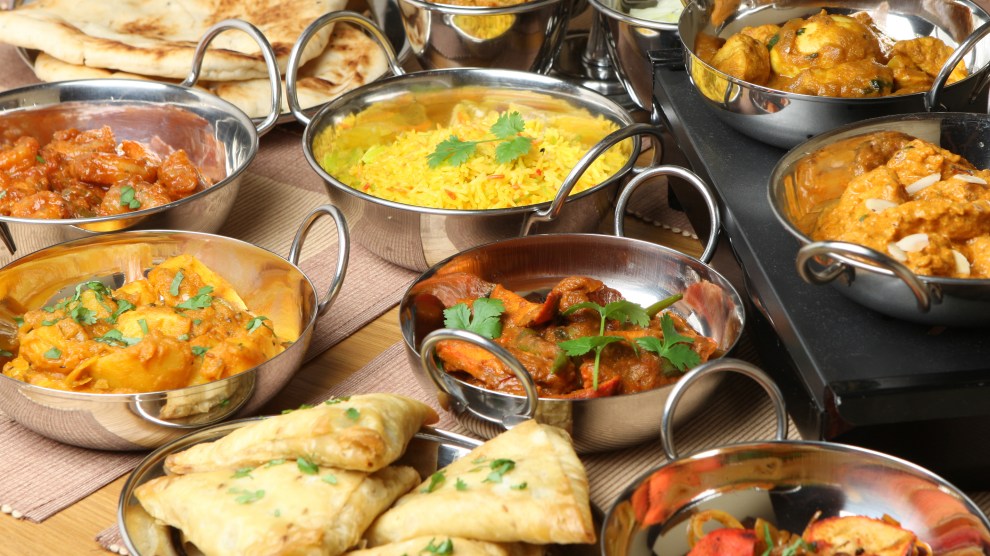
Moushumi invites Gogol over for dinner and makes him a French dish, called coq au vin. After reading this quote, I realized that Gogol and Moushumi are, in a way, rebelling against their culture by not eating their traditional Indian food. Since Gogol and Moushumi are both Bengali, you’d expect them to be eating a Bengali meal, like rice, fish, dal, and curry (other famous Bengali dishes). Since I’m from Pakistan, I’ve noticed that it’s extremely odd to have foreign food in special events. For example, in South Asian weddings there’s exclusively South Asian food, even if the wedding is taking place in a foreign country like the United States or Canada. Moushumi mentions to Gogol that her mother was shocked that she wasn’t making an Indian dish for him. This is something that I can definitely relate to, coming from a similar background. Occasionally, I get tired of eating traditional Pakistani food and make the mistake of asking for pizza or poutine. This is usually followed by a lengthy lecture from my parents on why I shouldn’t ‘betray’ my culture and should respect the food of our country.
“At Brown, her rebellion had been academic. At her parents’ insistence, she’d majored in chemistry, for they were hopeful she would follow in her father’s footsteps. Without telling them, she’d pursued a double major in French” (Lahiri, 214).
In this quote, we learn that Moushumi’s parents wanted her to become a chemist, but she secretly does a double major in French to defy and rebel against her parents. Parents usually want their kids to pursue something similar to what they’re doing in order to continue the legacy. A lot of times their kids can have different interests and pursue a different career, and parents are usually fine with that as well. In this case however, Moushumi only pursues French as a “refuge” from her Bengali heritage. She desperately tries to escape the reality that she is a Bengali-American and distances herself from her culture and family even further by moving to Paris. This is very similar to Gogol when he went to Yale in chapters 5-7. Gogol rebelled against his family and culture by moving away and dating Americans, just like Moushumi. Personally, my experiences have never been this extreme, since I’ve never moved away and I haven’t gone to university yet, but I can still relate. My parents want me to become a doctor or engineer in the future, but I’m more interested in the sciences (computer science). It’s become pretty typical for Pakistani people to become engineers or doctors and has started to become a stereotype for South Asian people. For this reason, I don’t really want to follow this “tradition” and instead do something I’m more interested and invested in.

Works Cited
Lahiri, Jhumpa. The Namesake. Boston, Mariner Books, Houghton Mifflin Harcourt,
2004.
 bookdissection.news.blog
Hey Saad,
I love how you introduced your post by referencing to the term “rebellious teenager”. It was a great way to capture my attention to continue reading.
You’re right when you say that Gogol and Moushumi are rebelling against their culture. While reading, there were several instances where they didn’t follow their cultural customs, such as their food choices. I can totally relate to you when it comes to foreign food. I’m from Pakistan as well, and it’s very rare to have foreign food at events. I’ve attended several weddings here in Canada and have always observed the food being traditional, as you mentioned. I started laughing when you said that you’ve received lengthy lectures regarding the ‘betrayal’ of culture. I’ve experienced this several times myself, when wanting to eat fast food every now and then! I’ve always been told that it isn’t as healthy as our traditional dishes.
In terms of careers, I agree that Moushumi just wanted to rebel against her parents. She really tries to run away from reality. Just like you, my parents want me to be part of a respected profession. Their list includes; doctor, teacher, lawyer or civil servant as in South Asia, these are jobs that are known to be “good professions”. However, I’ve successfully added accountant to the list, as that is the career I want to pursue. I was never interested in sciences and would rather work with numbers and finances for the rest of my life! So now that works!
Overall, I enjoyed reading your post as there was lots I could relate to. I love the images you included as well as the extra link! Great work!
Imaan
LikeLike